The Hong Kong alcohol market is undergoing a significant transformation driven by the "No-and-Low Alcohol" trend. This shift is catalyzed by changing consumer habits among younger generations, rising health consciousness, and strategic pivots by major beverage corporations.Key dynamics and trends shaping the Hong Kong no-and-low alcohol market include:
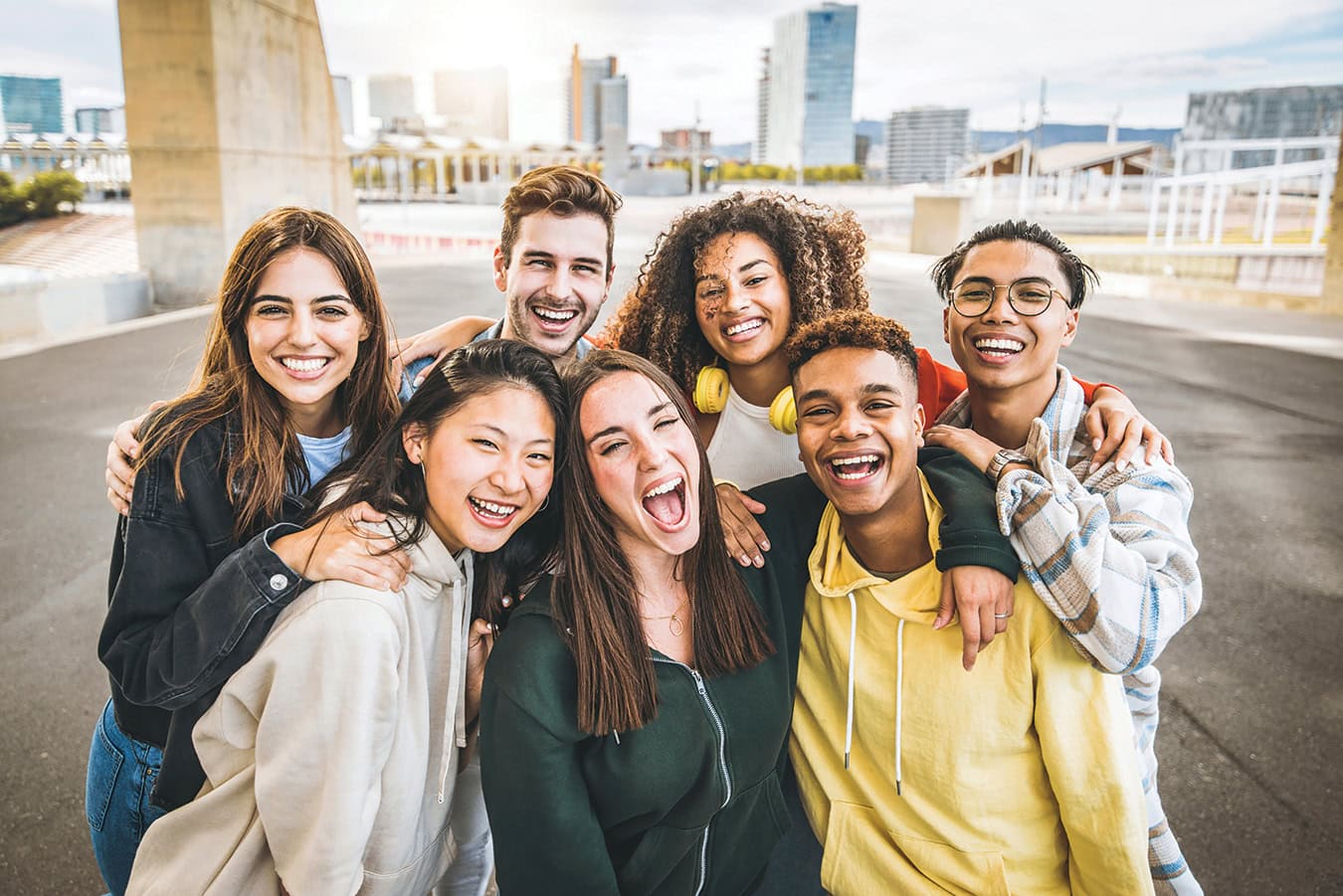
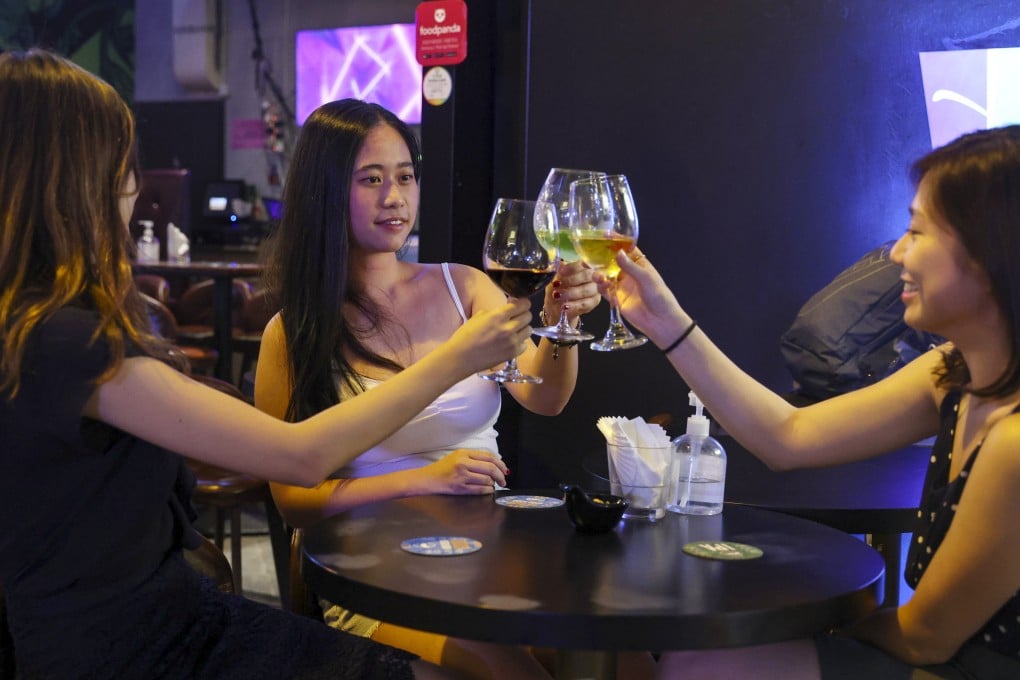
1. Gen Z Driving the "Sober Curious" MovementShift in Social Dynamics: Younger consumers, especially Gen Z, are moving away from traditional drinking cultures toward "sober socializing." They seek the experience of bars and gatherings while maintaining sobriety and control.Bar Revenue Adaptation: Traditional bars facing revenue challenges are expanding their menus with high-quality mocktails and low-alcohol beverages to attract this expanding customer segment.
2. Strategic Moves by Global Beverage GiantsCarlsberg's Market Strategy: Major breweries view Hong Kong as a pioneer for low-alcohol markets. Carlsberg Hong Kong has expanded its portfolio of no-and-low alcohol beers and non-alcoholic beverages, aiming to increase this category to 35% of its business volume by 2030.Dedicated Exhibition Zones: International trade shows hosted in Hong Kong, such as Vinexpo Asia, now feature dedicated areas for non-alcoholic beverages, reflecting strong APAC supply chain demand.
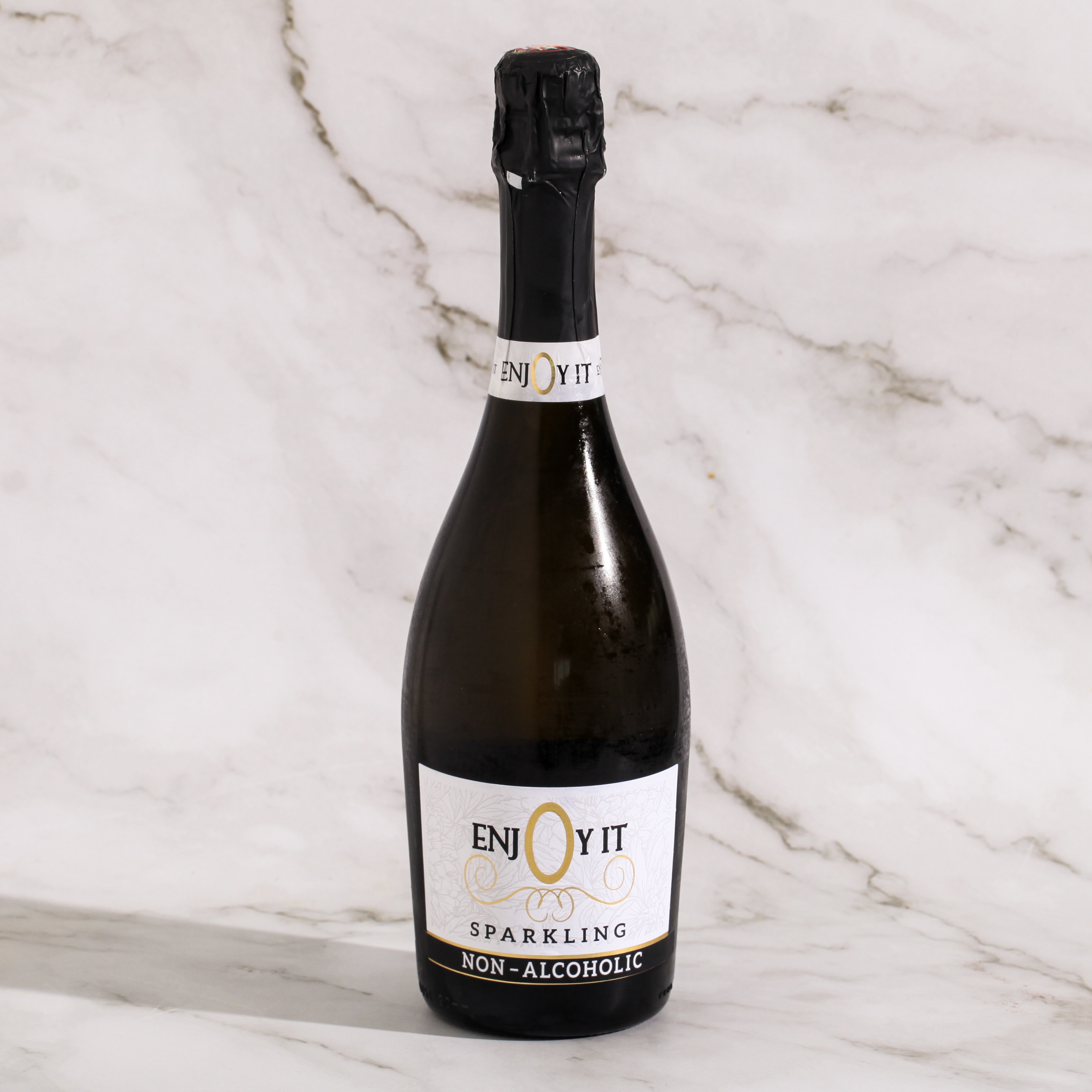
3. Premiumization and Product DiversificationBeyond Soft Drink Substitutes: Modern Ready-to-Drink (RTD) mocktails use advanced extraction techniques to replicate the complex flavor profiles and textures of traditional alcoholic spirits, moving beyond simple juice-and-soda blends.Health and Functional Premium: Affluent Hong Kong consumers are willing to pay more for health benefits. The market sees a rise in premium non-alcoholic drinks featuring functional ingredients (e.g., stress relief, sleep aid, antioxidants) alongside low-calorie and low-sugar labels.Growth in Light-Bodied Wines: While traditional wine sales face overall declines, light-bodied and cost-effective low-alcohol wines are experiencing buck-the-trend growth in the local market.
4. Supportive Regulatory EnvironmentTax Advantages: Hong Kong imposes zero duty on beverages with an alcohol strength of 30% or less. This provides a highly favorable commercial environment for importing, retailing, and re-exporting no-and-low alcohol products into the wider Greater China region.


derksen.jpg)
derksen.jpg)